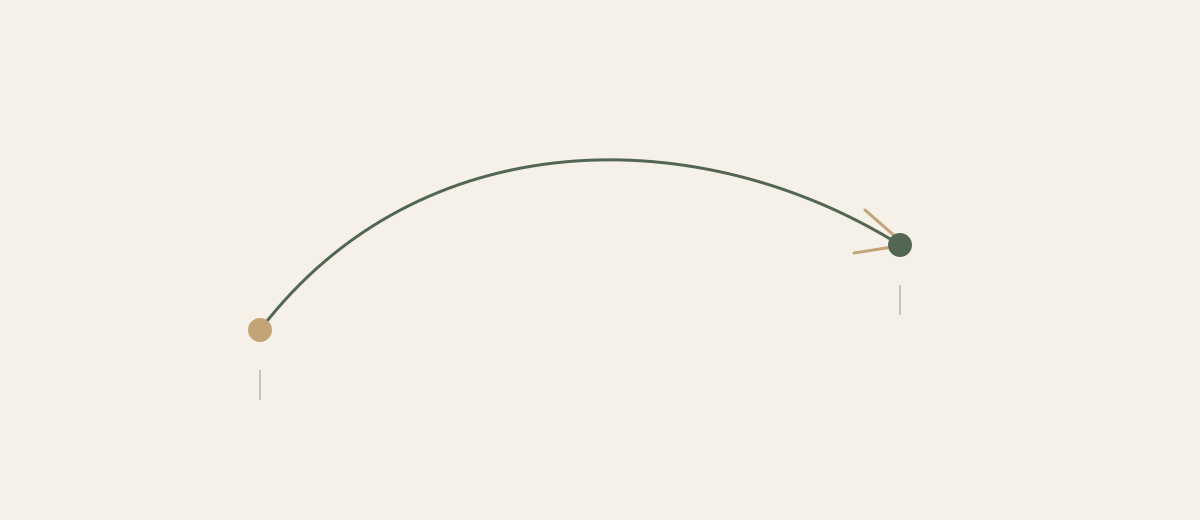
What migration means
Migration happens when jewellery gradually shifts from its original placement towards the surface or another position. If the body continues pushing it out until the jewellery exits, this is often called rejection. It can happen even when a piercing was initially placed carefully.
Signs to watch for
The tissue bridge may look thinner, more of the bar may become visible beneath the skin, the entry and exit points may move, or the piercing may look increasingly shallow. Persistent redness, flaking or a stretched appearance can also be reasons to have it checked.
What can contribute
Anatomy, placement, jewellery size or style, pressure, friction, snagging and repeated trauma can all play a part. Some placements are more prone to migration than others, and sometimes it happens without one obvious cause.
What should I do?
Do not push the jewellery back into place, tighten it aggressively or try to re-pierce the channel. Contact your piercer promptly for an assessment. If the tissue is progressively thinning or the jewellery is close to the surface, it may be safer to retire the piercing before it tears or leaves a larger scar.
Can it be saved?
Sometimes changing the jewellery or reducing irritation helps, but not every migrating piercing can or should be saved. A professional assessment can help you understand the options; no one can guarantee that a piercing will remain viable.
A question about your piercing?
Every body and every piercing is different. If you are unsure, you are welcome to ask for an individual assessment.